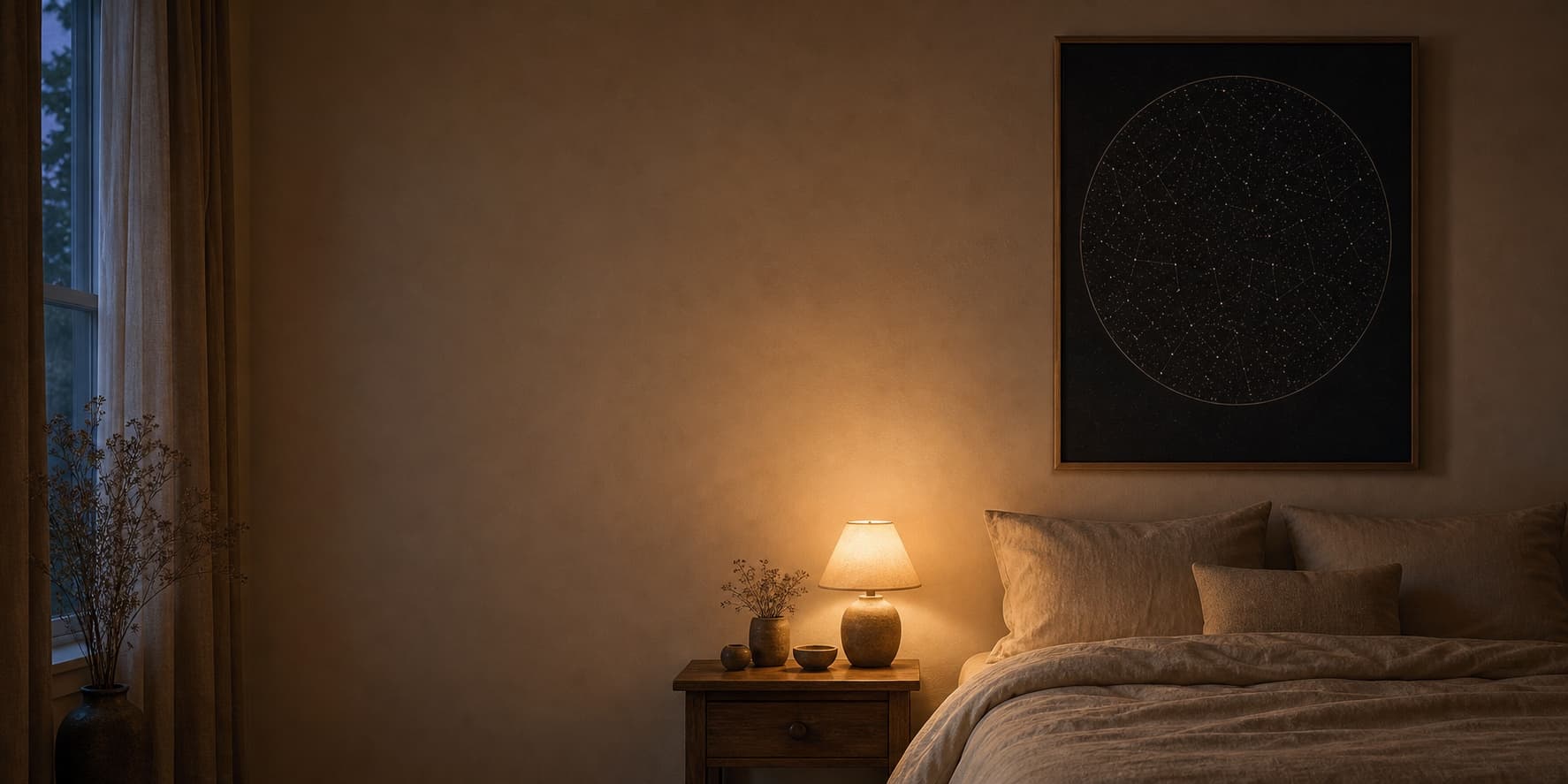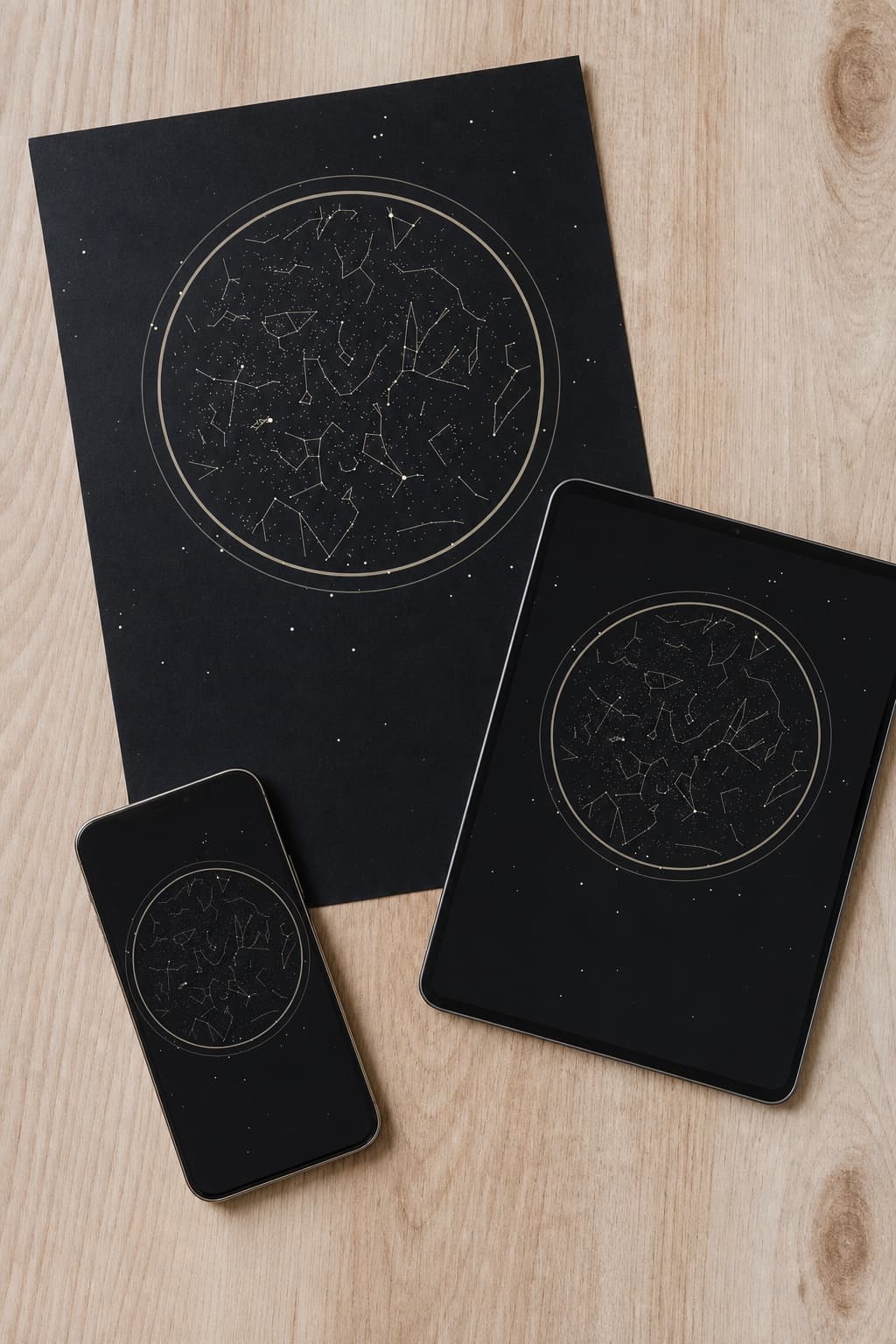
You can absolutely make a star map of any date and place for free. The astronomy is public, the software is open-source, and a few good websites will draw the sky for you in a few seconds without asking for a card.
Paid services exist for one reason: turning that raw astronomy into something print-ready and giftable. Here’s an honest breakdown of what each kind of tool does well, when free is the right answer, and when paying makes sense.
Free tools that draw the sky for any date and place
Several great pieces of free software will render the night sky for any moment you ask. None of them are designed for posters, but they’re accurate and they cost nothing.
Stellarium
The gold standard for free planetarium software. Stellarium runs as a desktop application on Windows, Mac, and Linux, plus a free browser version at stellarium-web.org.
Pick any date, any place, any time, and Stellarium draws the sky as a live simulation. You can rewind centuries, fast-forward decades, and the planets, moon, and Milky Way all show up accurately.
Good for: checking what the sky looked like, learning the constellations, planning stargazing. Not good for: producing a printable poster, because the interface is built for exploration, not export.
NASA’s Eyes on the Solar System and Sky View
NASA runs several free interactive tools that let you fly around the solar system or simulate the sky over a chosen date. Sky View on the NASA app lets you point your phone at the sky to identify what’s up.
Good for: education and curiosity. Not good for: producing a print, because the output is screen-based and not styled for framing.
In-the-Sky.org and Time and Date
Two well-respected reference sites for astronomy events. Both will tell you what was visible from a given location on a given date — planet rises, meteor showers, eclipses, moon phases, all of it.
Good for: looking up specific events. Not good for: a finished poster — the output is reference tables and small diagrams.
Free online star map generators
A handful of websites offer free preview star map generators.
The previews are usually real astronomy, but the free version typically caps at low resolution, watermarks the image, or limits customization. Often the “free” option is really a free preview of a paid product.
Good for: trying out the idea, exploring designs, sanity-checking before you buy. Not good for: actually printing the result, because watermarked low-res previews don’t produce a frameable poster.
What free tools can’t do
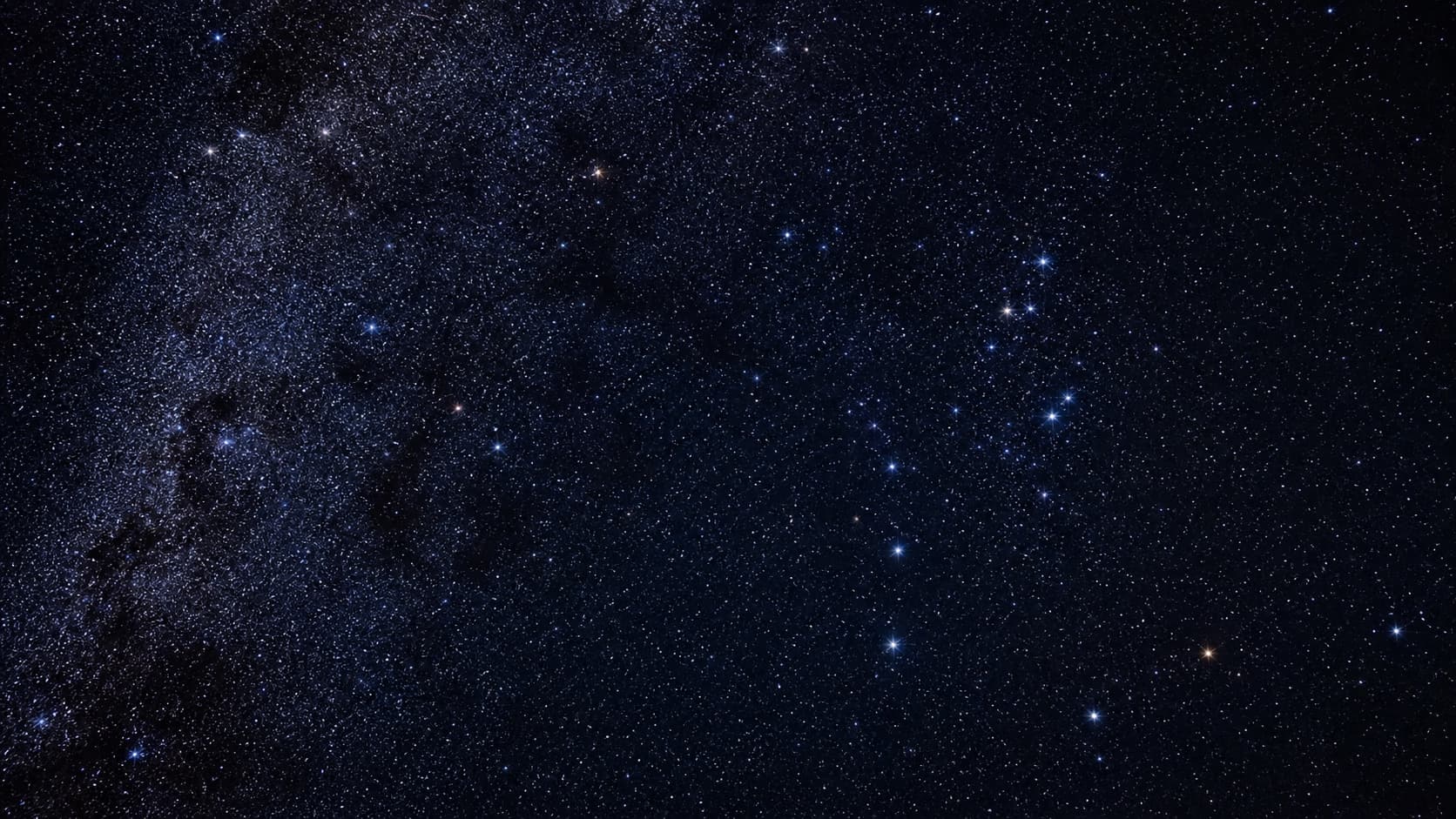
Free astronomy software is excellent at one job: showing you the real sky for any date and place. It’s not designed to produce a finished print, and most free tools don’t try.
Print-grade output
A poster you can hang on a wall needs to be at least 300 dots per inch at the size you’re printing. For an 18×24 inch print, that’s a 5,400×7,200 pixel image — large file, heavy rendering.
Free planetarium software typically exports at screen resolution, which looks fine on a monitor and blurry on paper. Some Stellarium plug-ins can export at higher resolutions, but the workflow involves command-line tweaking that most non-technical users wouldn’t want to attempt.
Designed templates and typography
A printable star map needs more than the raw sky — it needs a frame, a place name in nice typography, a date, optional message text, and a color palette that works on paper. None of that lives inside free astronomy software.
You could compose all those pieces by hand in Adobe Illustrator or Affinity Designer.
That works if you’re a designer. If you’re not, the result usually looks it.
Custom shapes
Heart, circle, square, edge-to-edge — the shapes that make a personalized map look giftable rather than scientific are a paid-service thing. Free tools draw a rectangle of sky and stop there.
Real paper and a working delivery service
Even if you produce a print-ready file in free software, you still need to actually print it on heavy matte paper, ship it, and have it arrive intact. Doing that yourself means finding a local print shop, dealing with profile mismatches, and hoping the color comes out right.
Paid services handle that whole pipeline.
What paid services actually charge for
The marketing language around paid star maps tends to oversell the “magic.” The reality is more mundane: you’re paying for the polish on top of free astronomy.
Print-quality rendering
Real paid services render the same astronomy that’s in Stellarium at print resolution. The customizer you interact with is showing you a small preview; the file that gets printed (or downloaded) is the high-resolution version.
A reasonable bundle gives you the digital file at multiple poster sizes (8×10, 12×16, 18×24, sometimes larger), plus phone and desktop wallpaper sizes for the same sky. You can print at any of those.
Curated templates and palettes
Designed star map templates are a real and underrated piece of value. Choices the customer doesn’t want to make — font weight, typography balance, palette harmony, frame proportions — have been pre-made by someone whose taste runs print-grade.
That’s the part that’s genuinely worth paying for. Real astronomy is free.
Real astronomy made giftable is craft.
Shapes
Circle, heart, square, edge-to-edge — each uses the same sky data, cut to a different outline. A heart-shaped wedding-anniversary star map and a circular birthday star map of the same date are showing the same stars, just framed differently.
Customer text and personal messages
The place name, the date, the optional dedication.
Paid services let you type those in and the layout adjusts. Free tools don’t.
The hybrid approach (the smart move)
For most people the right answer isn’t “free or paid” — it’s both, in sequence.
Step 1: Sanity-check the date in free software
Before paying for a print, open Stellarium or Stellarium Web.
Set the date, time, and place. Make sure the sky looks the way you expect — the right constellations, the right planets, the moon in the right phase.
This catches the most common error in finished prints: wrong inputs.
People sometimes remember a wedding date as “June 7” when it was actually June 8, or misremember which city they were in. A thirty-second Stellarium check catches those before they end up on a wall.
Step 2: Try a real preview in a customizer
Once you’ve confirmed the inputs are right, plug them into a paid customizer to see the print-ready render. The preview should match Stellarium’s sky for the same moment — if it doesn’t, that’s a tell about the service.
We wrote up exactly how to do that check in Are Star Maps Accurate? including how to spot a decorative fake.
Step 3: Customize and order
Pick the shape, the palette, the optional message. Most customizers update the preview in real time, so you can see what you’re going to get before you pay.
Order, wait, and the file (or the print) arrives. The astronomy underneath is the same as the free version — you’re paying for the form it shows up in.
When free is genuinely the right answer
Not every star map needs to be a wall-grade print. Plenty of use cases are completely covered by free tools.
If you’re trying to:
- Learn the constellations — Stellarium is fantastic and free forever.
- Show a kid what the sky was the day they were born — pull Stellarium up on your laptop or phone and walk them through it. No print needed.
- Plan a stargazing trip — the free tools are built for exactly this.
- Verify a historical claim — was the sky over Athens really like that in Plato’s era? Stellarium will rewind the clock and tell you.
Free is right for exploration, education, and curiosity. Paid is right when the sky needs to live on a wall.
The bridge: when the sky needs to live on a wall
A star map as a gift isn’t about the data. It’s about the moment of unwrapping, the framing in the hallway, the moment a few years later when someone walks past it and remembers the day.
That last part doesn’t happen with a screenshot from Stellarium. It happens with a printed object on a wall.
The customizer for SkyWhen runs the same open-source astronomy library as the verification tools above. You can plug in any date and place and see the real sky in seconds, no card required — the preview is free, and you only pay if you want the print-ready bundle.
Try it at the SkyWhen customizer . Sanity-check in Stellarium if you want to verify.
The numbers will match.
If you’re still unsure whether a personalized star map is the right gift for the occasion you have in mind, the dates people most often pick are listed in Personalized Star Map Gift Ideas.
FAQ
Can I make a star map for free?
Yes, absolutely. Stellarium is free and shows the real sky for any date and place, with planets, the moon, and the Milky Way all in the right spots.
The catch is that free tools aren’t built to produce a print-ready file — they’re built for exploration on a screen. If you want a poster you can frame, that’s where paid services come in.
What's the best free star map generator?
For accurate sky simulation, Stellarium is the consensus pick — both the desktop application and the browser version at stellarium-web.org.
For looking up specific astronomy events on a date, In-the-Sky.org and Time and Date are both excellent.
What do paid star map services actually charge for?
Print-quality rendering, designed templates, custom shapes (circle, heart, square), real paper, a working customer-service operation, and the option to have the print shipped to your door.
The underlying astronomy is the same as what free tools show. The price is for the form factor — turning the data into a giftable object.
Can I print a Stellarium screenshot as a star map poster?
Technically yes, in practice usually no. Screenshots are screen-resolution and print blurry. Some Stellarium plug-ins support higher resolution, but the workflow involves command-line work most people would rather not deal with.
You’ll also need to design the poster around the sky — add a title, the date, typography, optional message — which is the part paid services do for you.
Is it worth paying for a custom star map?
If you want a printed poster you can frame and gift, yes. The free tools are excellent for screen-based exploration but not built for that.
If you just want to know what the sky looked like on a date, free is fine and paying is unnecessary.