If your birthday is July 28 and you’ve been told your sign is Leo, here’s an odd fact: on July 28, the sun is not actually in front of the constellation Leo anymore. It’s in front of Cancer.
The sun and the zodiac drifted apart about a month over the last 2,000 years.
The signs of astrology froze in place around the time of Ptolemy (~150 AD); the sky kept moving. The cause is precession — a slow, perfectly real wobble of Earth’s axis.
What precession actually is
Earth doesn’t spin perfectly upright.
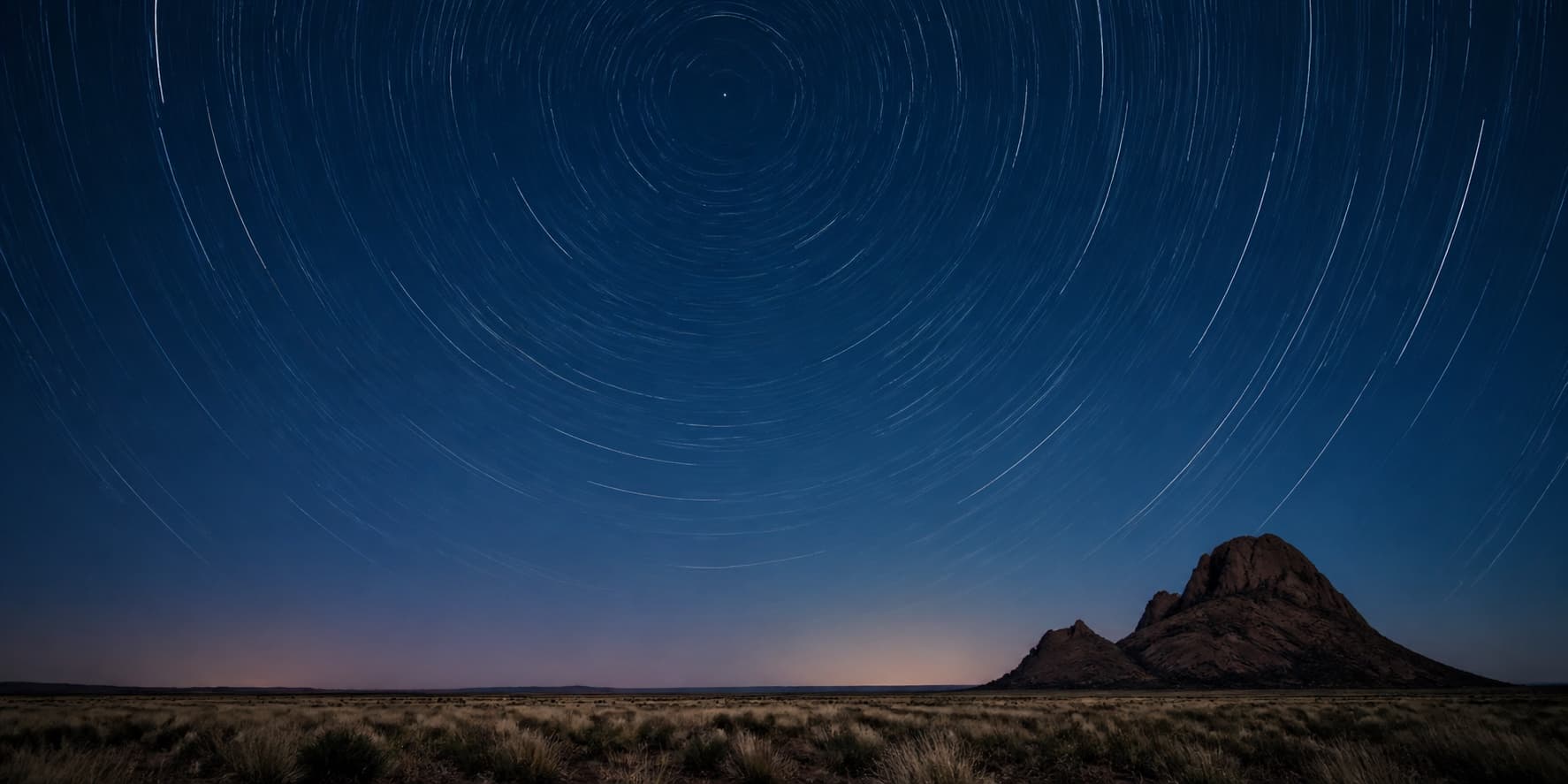
Our axis is tilted about 23.5 degrees from vertical — that’s what gives us seasons. And that tilted axis isn’t fixed: like a spinning top slowing down, it traces a slow cone in space.
One full circle of that cone takes about 26,000 years. That means the direction the North Pole points to in the sky slowly changes — Polaris is our north star right now, but 5,000 years ago it was Thuban (a star in Draco), and 12,000 years from now it’ll be Vega.
The same wobble shifts where the sun appears to be against the background of stars on any given calendar date. That shift is what knocked the zodiac signs out of sync.
How big the shift has gotten
Roughly one degree every 72 years, or about one month per 2,160 years.
Around 150 AD, when Ptolemy codified the zodiac that modern Western astrology still uses, the sun on the spring equinox was indeed in front of Aries. The tropical year started at the boundary of Aries.
Today, almost 1,900 years later, the sun on the spring equinox is in front of Pisces — one full constellation away from where it was. By around 2600 AD, the spring equinox sun will move into Aquarius (the famous “dawning of the age of Aquarius” refers to this).
What this means for your sign
If you go by traditional Western astrology dates, your sign is the one the sun was “in” on your birthday roughly 2,000 years ago.
If you go by where the sun is actually located in the sky on your birthday today, your sign is shifted about one position earlier. Some examples:
- Traditional Leo (July 23 – Aug 22) → today the sun is in Cancer for most of those dates
- Traditional Aries (Mar 21 – Apr 19) → today the sun is in Pisces
- Traditional Sagittarius (Nov 22 – Dec 21) → today the sun is in Scorpius (and Ophiuchus)
Most Western astrology is fully aware of this and chooses to keep the traditional dates anyway — that’s called the tropical zodiac. A smaller school (sidereal astrology) uses the real positions; that’s the approach used in most Vedic astrology.
The 13th constellation question (Ophiuchus)
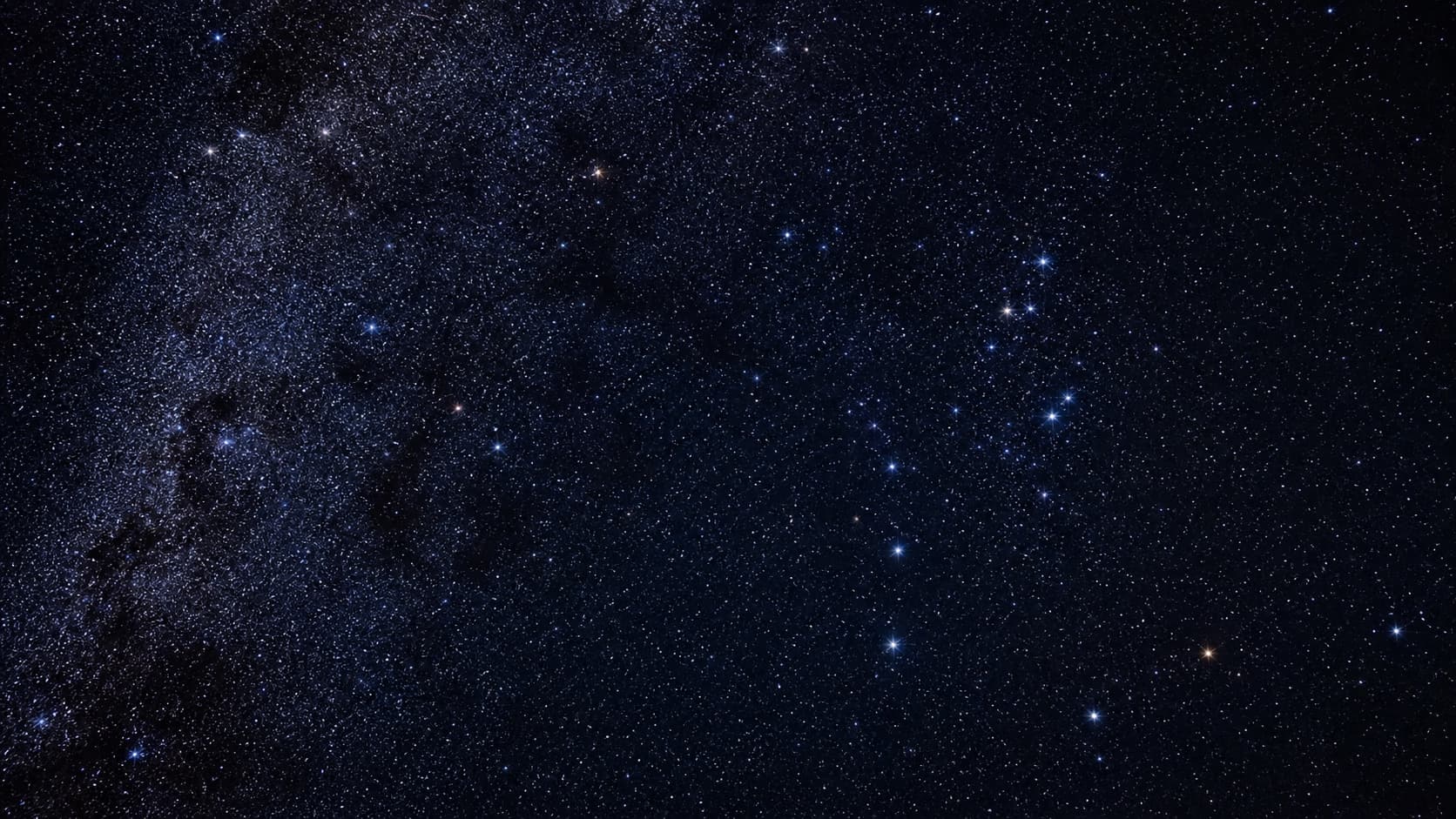
In 2016, NASA published an educational article noting that the sun’s actual path across the sky — the ecliptic — passes through 13 constellations, not 12. The extra one is Ophiuchus, the serpent-bearer, which sits between Scorpius and Sagittarius.
The sun spends about three weeks in front of Ophiuchus every year, roughly November 30 to December 18. So if you go strictly by where the sun actually is, people born in early December are technically “Ophiuchans,” not Sagittarians.
This caused a brief news-cycle panic and a lot of memes.
The astronomical fact had been known for millennia (Ptolemy mentioned it). NASA was just pointing it out; they weren’t changing anyone’s sign — that’s an astrological decision, not an astronomical one.
Why astrology hasn’t “corrected” itself
Tropical astrology argues, reasonably, that the signs are tied to the seasons and the equinoxes — not to the literal background stars. In tropical astrology, Aries always starts at the spring equinox by definition, regardless of what constellation the sun is actually in front of.
Sidereal astrology takes the opposite view — the signs should follow the real constellations. Sidereal astrology adjusts its dates roughly to where the sun actually is now.
Both traditions are internally consistent. They just answer different questions: “where is the sun in its yearly cycle” versus “which constellation is the sun in front of right now.”
How precession affects star maps
For a star map of a date within the last few hundred years, precession is already baked into the math. The astronomy-engine library we use accounts for it down to fractions of a degree, so the print shows the constellations exactly where they were on the chosen date, even if you pick a date a thousand years ago.
That’s why a star map of, say, the night Cleopatra was born would actually look measurably different from a star map of the same calendar date this year — not just because of the time of year, but because Earth’s axis was pointing at a slightly different star.
The bridge: render the real sky from any date
If you’re curious about the literal sky — not the astrology framework, the actual stars and constellations as they truly appeared at a moment in history — a star map renders exactly that. Date, time, place, precession-corrected.
Try it for any date you like in the SkyWhen customizer. The preview is free, including for historical dates.
For the 12-constellation tour, see The 12 Zodiac Constellations. For the astronomy/astrology split itself, see Astrology vs. Astronomy.
FAQ
What is precession of the equinoxes?
The slow wobble of Earth’s axis around a 26,000-year cone, caused by gravitational pulls from the sun and moon on Earth’s equatorial bulge. It shifts where the equinoxes fall against the background constellations.
Has my star sign changed?
Not in tropical Western astrology — the system most horoscopes use, which keeps the signs anchored to the seasons rather than the real constellations. Astronomically, the sun is in front of a different constellation than it was 2,000 years ago, but tropical astrology accounts for this on purpose.
Is Ophiuchus a 13th zodiac sign?
The sun does pass through Ophiuchus astronomically — about three weeks in late November and early December. Whether to call it a 13th sign is an astrological choice; mainstream Western astrology doesn’t.
How long does precession take to complete one cycle?
About 25,772 years for one full cycle, which is why it’s usually rounded to 26,000. The same effect shifts which star is our pole star over that cycle.
Does this affect star map accuracy?
Not for typical use — the math accounts for precession down to fractions of a degree, so the print shows the constellations exactly where they were on the chosen date, even for dates centuries in the past.